
First, a quick disclaimer: this is purely our perspective. We’re not claiming insider knowledge—these are observations based on industry conversations and publicly available information.
That said, Brother Industries has a long-standing reputation as a reliable, high-quality, and customer-focused brand. They tend to move deliberately and communicate their direction clearly, often acting as a quiet but consistent market leader. Because of that, we expect their intentions to become clearer sooner rather than later.
Brother Is Moving Upstream
Historically, Brother has been strong in sewing and digital printing. For the purpose of this discussion, we’ll focus on their digital printing division—specifically where they’ve built credibility.
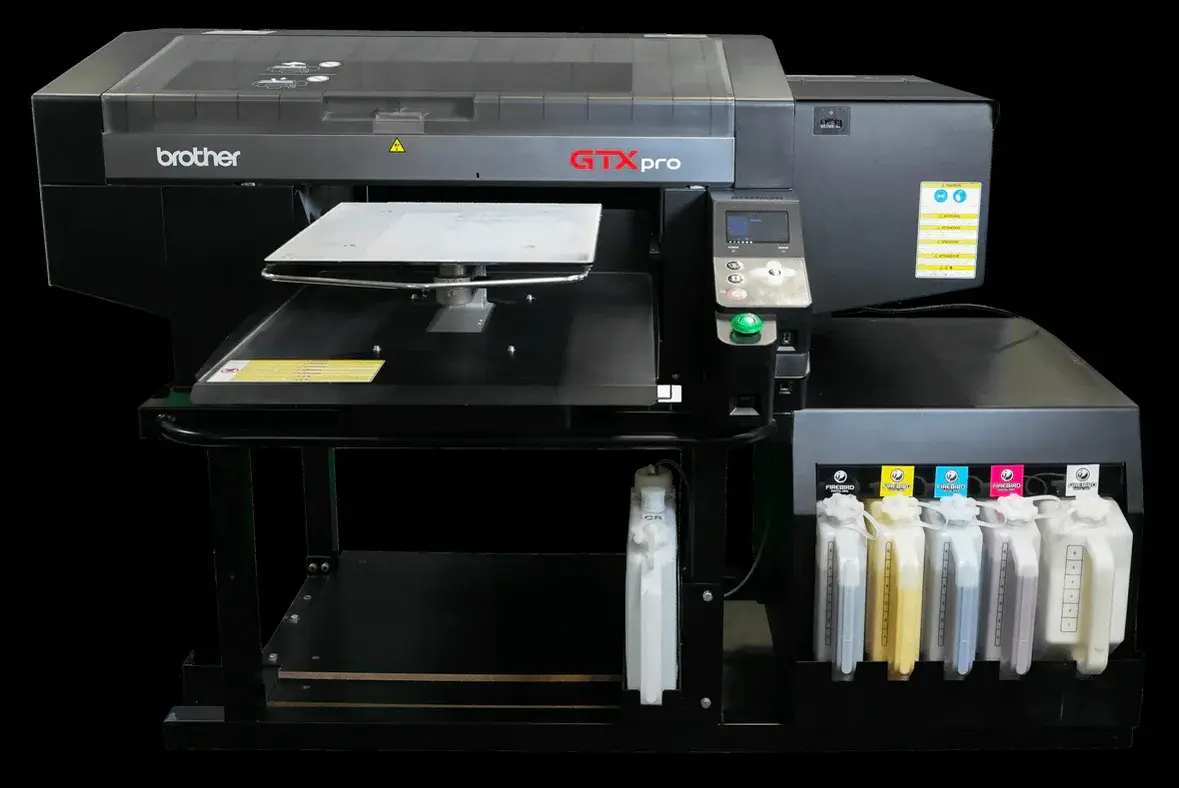
DTG Success with the GT Series
Brother made a major impact in the DTG market with its GT series. These machines earned a reputation for:
- Reliability
- Consistent output
- Vibrant ink performance
While debates around color profiles exist, the reality is that Brother built a loyal customer base by delivering dependable, production-ready systems.
Beyond industrial printing, Brother has also established trust through its home and office product lines. That familiarity with quality often makes it easier for customers to transition into their higher-end production equipment—similar to how brands like HP Inc. and Epson have built cross-market credibility.
What the Mutoh Acquisition Really Brings
By acquiring Mutoh, Brother gains immediate access to technologies and markets they previously weren’t deeply involved in.
1. Advanced Ink Delivery Systems
Mutoh’s ink delivery systems are a major differentiator. Key advantages include:
- Uninterrupted production: Ink can be replenished without stopping the printer
- Stable pressure control: Built-in systems help maintain consistent flow and reduce air bubbles
- Refillable bulk systems: Lower cost and reduced plastic waste
- Intelligent monitoring: Smart chips and systems track ink usage and compatibility
- AQUAFUZE™ technology: A hybrid approach combining water-based sustainability with UV-like performance
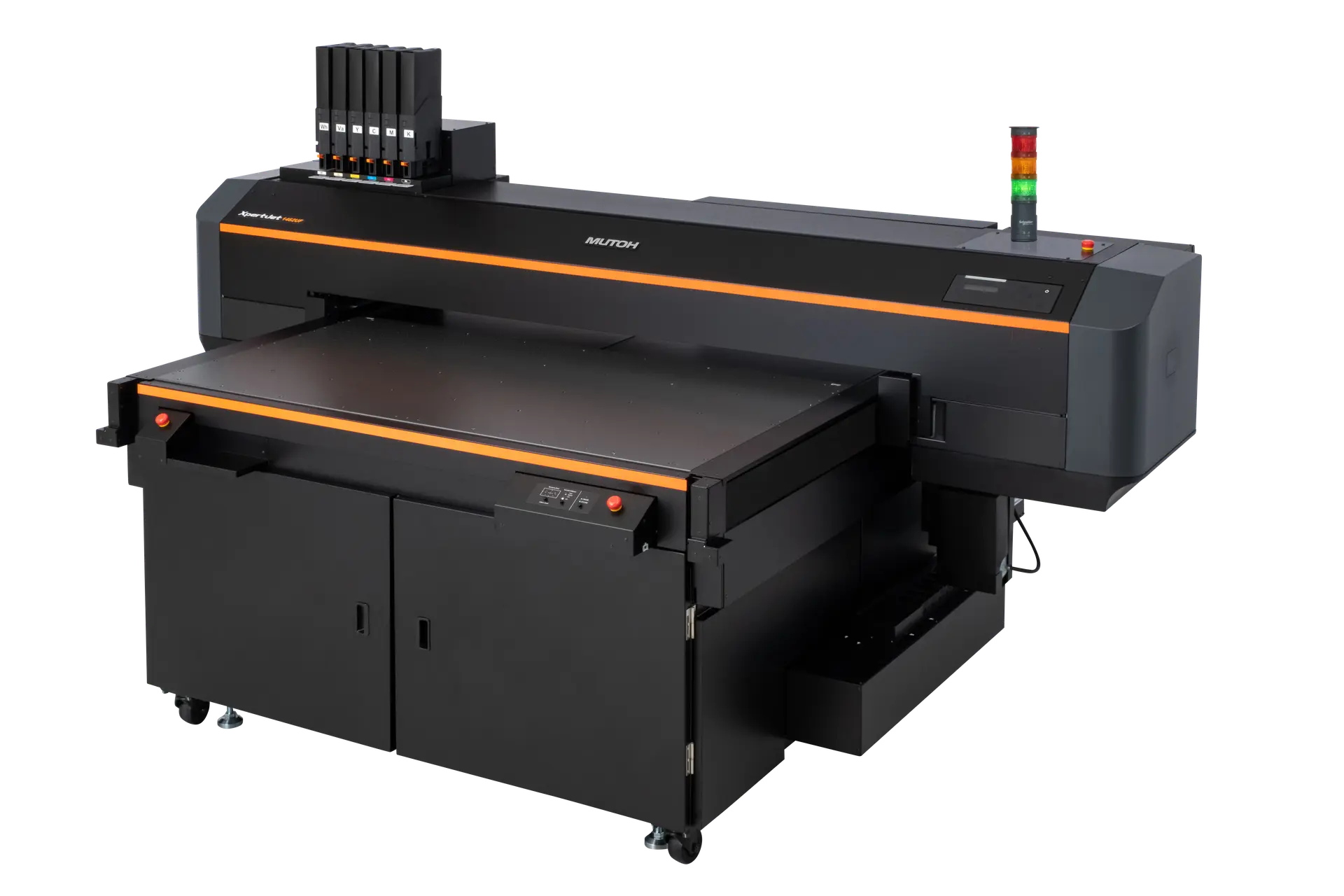 2. Large-Format Engineering
Brother has historically focused on smaller-format equipment. Mutoh brings proven large-format chassis design, allowing Brother to immediately compete in a new segment.
3. Entry into the UV Market
This is a significant addition.
UV printing continues to grow due to:
- Sustainability improvements: UV-LED reduces energy usage and eliminates mercury-based waste
- Material versatility: Printing on glass, metal, plastics, and more
- Customization demand: Growth in personalized products like phone cases, décor, and promotional items
- Market expansion: The UV-curable ink segment is projected to see substantial growth through the end of the decade
We’re also seeing increasing crossover with UV DTF applications, further expanding this category.
What This Means for the Textile & DTF Industry
With this move, Brother is no longer just a sewing and DTG company—they’re positioning themselves to compete in higher-end industrial printing.
The Current State of DTF
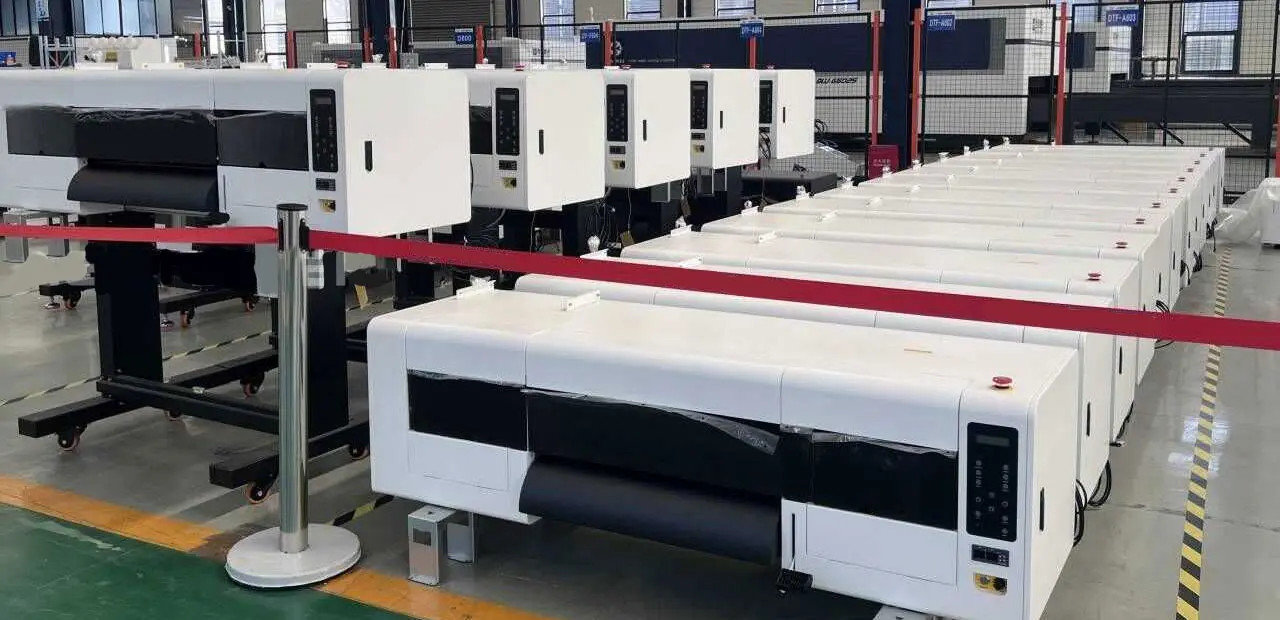
Today, most DTF printers are:
- Built on Chinese OEM platforms
- Using common components (Hoson boards, Epson printheads, etc.)
- Rebranded and distributed globally with varying levels of support
While companies like Epson and Mimaki Engineering have entered the DTF space, none have replicated the kind of dominance Brother achieved in DTG.
The Opportunity: A True Tier-1 DTF Platform
The current DTF market is somewhat the wild west as companies and distributors rebrand and sell similar technologies, with varying sales promises and technical support. A combined Brother + Mutoh effort could deliver:
- A fully engineered (non-OEM) DTF system
- Improved ink delivery and waveform control
- More stable and integrated RIP workflows
- Stronger overall system reliability
This would represent a major shift in the DTF landscape.
Pressure on Existing DTF Brands
If Brother enters the DTF market with a serious platform, it could challenge companies that rely on:
- Rebranded OEM machines
- Minimal engineering differentiation
Potential advantages Brother could bring:
- Higher reliability
- Established service networks
- Financing options
- Strong brand trust
Pricing: Short-Term vs. Long-Term
Short Term
Don’t expect immediate disruption.
Brother typically does not rush products to market. It’s more likely they will:
- Take time to integrate Mutoh
- Develop a unified strategy
- Engineer a differentiated platform
Medium Term
If and when Brother enters DTF:
- High-end systems will likely come at a premium
- Offer clear ROI through:
- Less downtime
- Fewer printhead failures
- More Consistent output
- Ease-of-use
Technology Improvements to Watch
With Mutoh’s engineering and Brother’s scale, we could see:
- Improved white ink management (a major DTF challenge)
- More stable printhead firing (reduced banding)
- Integrated software ecosystems (less RIP fragmentation)
- Increased automation in maintenance
- Better scalability for production environments
What Happens to Mutoh?
Mutoh will likely evolve into:
- The engineering and platform development arm
While Brother focuses on:
- Branding
- Distribution
- Integration into garment and industrial markets
There’s also the possibility that Brother rebrands Mutoh ink systems under its own umbrella—but that remains speculative.
Take Away
If You Own a Mutoh System: This is likely a positive development.
- Brother has a strong track record with ink technology, which could benefit Mutoh. It should prove to be a mutually beneficial merger.
It’s worth noting that Brother previously attempted to acquire Roland DG. This suggests a broader strategy: Brother has been actively seeking entry into large-format and adjacent industrial print markets.
This move signals a potential shift in the DTF industry—from fragmented OEM-driven solutions toward more fully engineered, vertically integrated platforms.
If Brother executes the way they have in DTG, the impact could be significant.